Buying your first home comes with a long list of small repairs, furniture assembly, maintenance tasks, and weekend projects. You do not need a professional workshop on day one, but you do need a basic set of tools that can handle common homeowner problems.
The best starter tool kit is practical. It should help you hang shelves, tighten hardware, fix small issues, assemble furniture, maintain the yard, and respond to minor emergencies without running to the store every time.
Here is a sensible first set of tools for new homeowners.
Start with the basics
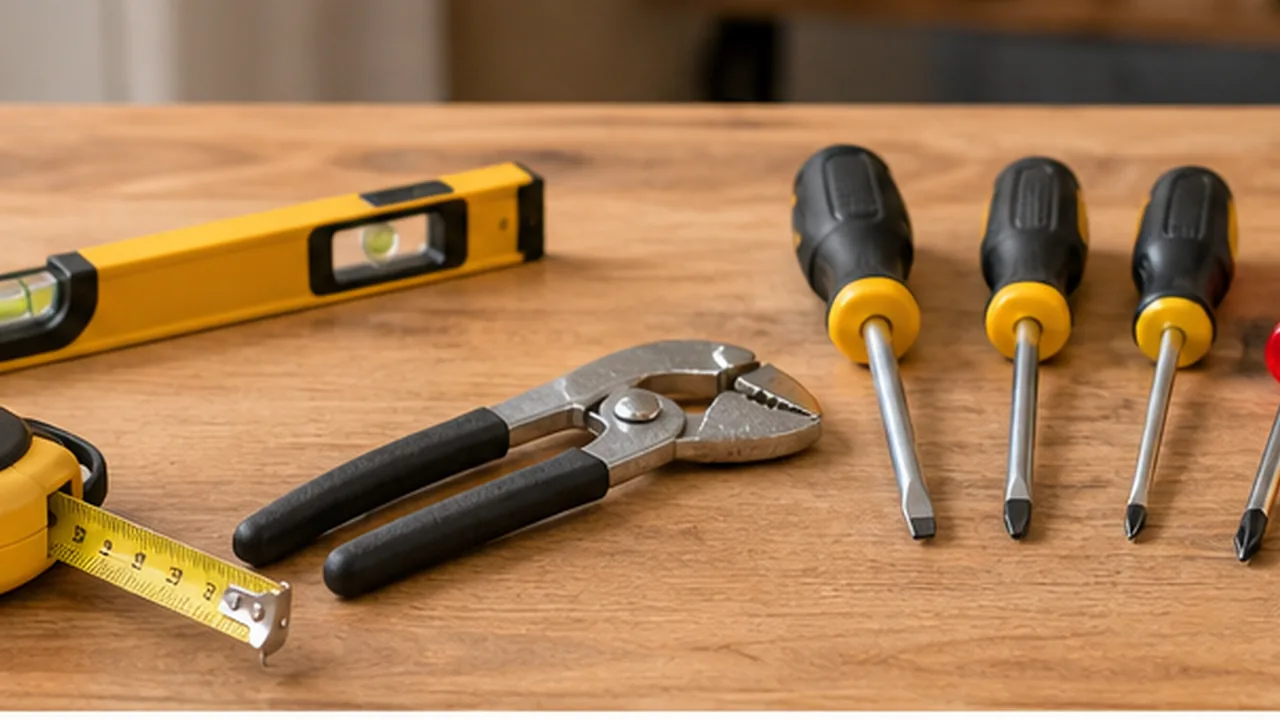
These are the tools most homeowners reach for again and again:
- Claw hammer
- Tape measure
- Utility knife
- Screwdriver set
- Adjustable wrench
- Pliers set
- Hex key set
- Level
- Stud finder
- Flashlight or work light
This group covers a lot of basic tasks: tightening screws, assembling furniture, measuring rooms, hanging pictures, opening boxes, adjusting hardware, and making simple repairs.
A good tape measure and level are especially useful. Many frustrating DIY mistakes start with poor measuring or uneven installation.
Add a cordless drill and driver bits
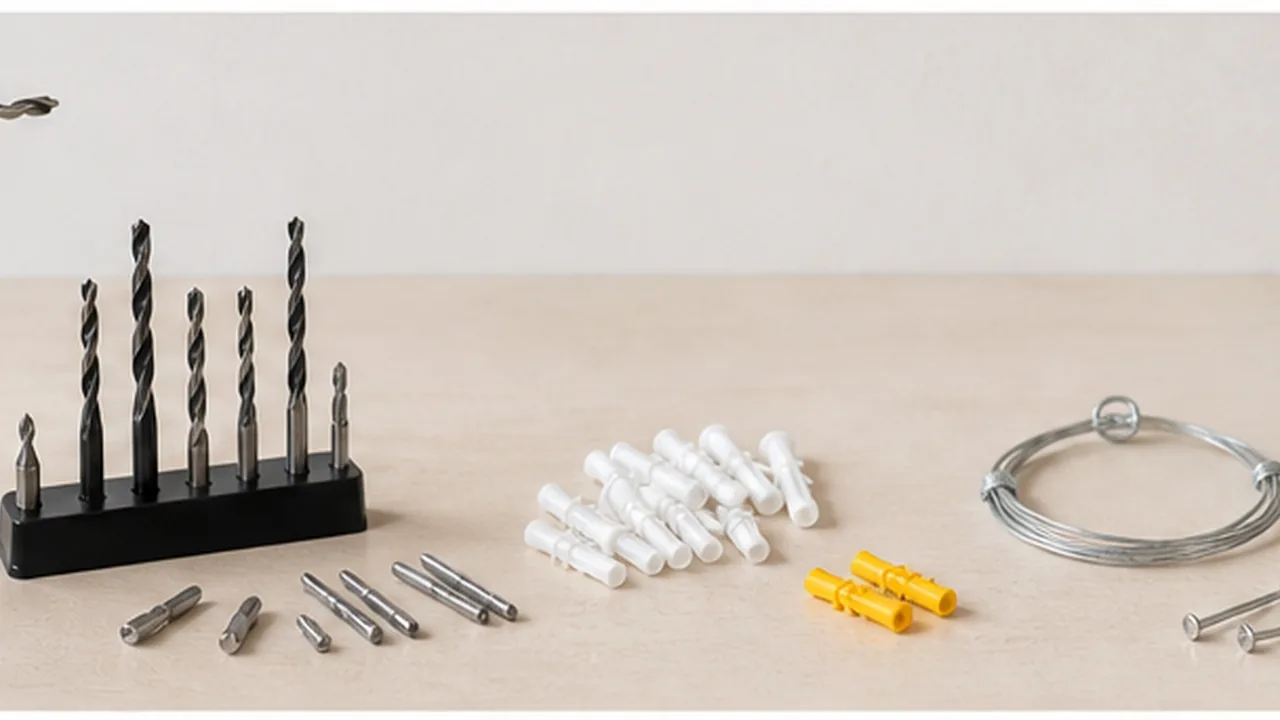
A cordless drill is one of the first power tools most homeowners should buy. It makes furniture assembly, curtain rod installation, shelf mounting, cabinet repairs, and basic drilling much easier.
For a starter setup, you will want:
- Cordless drill/driver
- Drill bit set
- Driver bit set
- Extra battery, if possible
- Charger
You do not need the most expensive model for normal homeowner use. A reliable mid-range drill from a common battery platform is usually enough. The battery platform matters because you may later add a circular saw, impact driver, string trimmer, blower, or other cordless tools from the same brand.
Buy safety gear early
Safety gear should not be an afterthought. Even simple projects can involve dust, noise, sharp edges, or flying debris.
Start with:
- Safety glasses
- Work gloves
- Hearing protection
- Dust masks or a respirator for dusty work
- Knee pads, if you expect to do flooring or low work
Safety gear is inexpensive compared to an injury. Keep it near your tools so you actually use it.
Get a basic ladder
Many homeowners need a ladder before they expect to. Changing light bulbs, cleaning gutters, painting, checking smoke detectors, and reaching attic access points often require more than a step stool.
Choose a ladder that fits your home and storage space. For many homeowners, a sturdy step ladder is a good first purchase. If you have higher ceilings, exterior maintenance needs, or gutter access, you may eventually need an extension ladder.
Do not cut corners on ladder safety. Use the right ladder for the job and follow the manufacturer’s instructions.
Add common repair supplies
Tools are only part of the setup. A few basic supplies can save time when small repairs come up.
Useful starter supplies include:
- Assorted screws and wall anchors
- Painter’s tape
- Electrical tape
- Duct tape
- Wood glue
- Super glue
- Sandpaper
- Caulk and caulk gun
- Replacement utility blades
- Pencil or marker
You do not need a huge collection of fasteners and supplies right away. Start small and add items as projects require them.
Yard and outdoor tools depend on the property
Outdoor tools vary depending on whether you have a lawn, trees, landscaping, a driveway, or a patio.
Common homeowner outdoor tools include:
- Garden hose
- Rake
- Shovel
- Pruners
- Loppers
- Broom
- Leaf blower
- Lawn mower
- String trimmer
- Snow shovel, if needed
If you recently bought the home, wait until you understand the property before buying every outdoor tool at once. A small yard and a large wooded lot have very different needs.
Tools you can wait to buy
Some tools are useful but not necessary right away. Consider waiting until you have a specific project before buying:
- Circular saw
- Miter saw
- Table saw
- Pressure washer
- Shop vacuum
- Air compressor
- Router
- Oscillating multi-tool
- Specialty plumbing tools
- Specialty electrical tools
Buying for actual projects helps avoid spending money on tools that sit unused for years.
Keep track as your collection grows
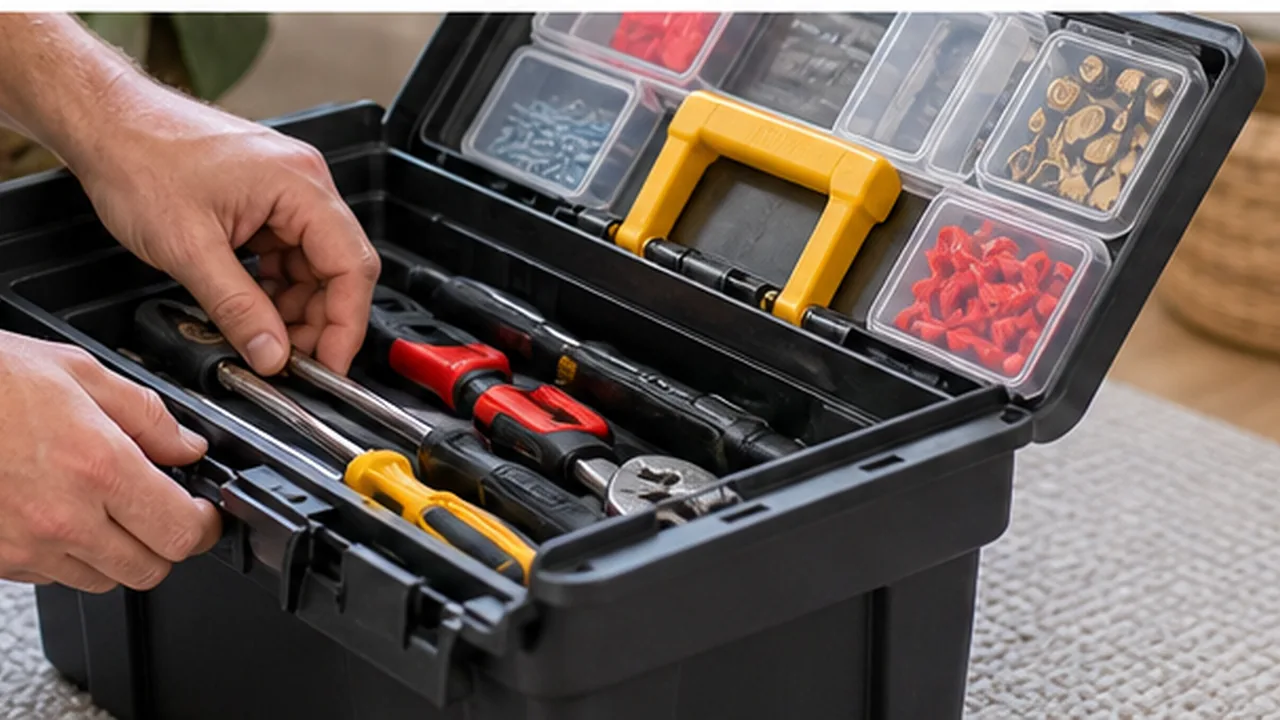
Many new homeowners start with a simple tool bag and slowly build a larger collection. Over time, tools spread across the garage, basement, shed, kitchen drawer, and vehicles.
As you buy more tools, make a habit of saving receipts, manuals, warranty details, and accessory information. It is much easier to stay organized from the beginning than to reconstruct everything later.