Most people do not think about making a tool inventory until something goes wrong. A drill disappears. A saw gets damaged. A battery charger is loaned out and never makes it back. A warranty claim requires a receipt that is buried in an email account or stuck in a drawer somewhere.
The best time to create a tool inventory is before you need it.
A tool inventory does not have to be complicated. You do not need to catalog every screwdriver and socket on day one. The goal is to create a simple record of the tools that matter most: the ones that are expensive, easy to lose, frequently used, loaned out, or important to your home projects.
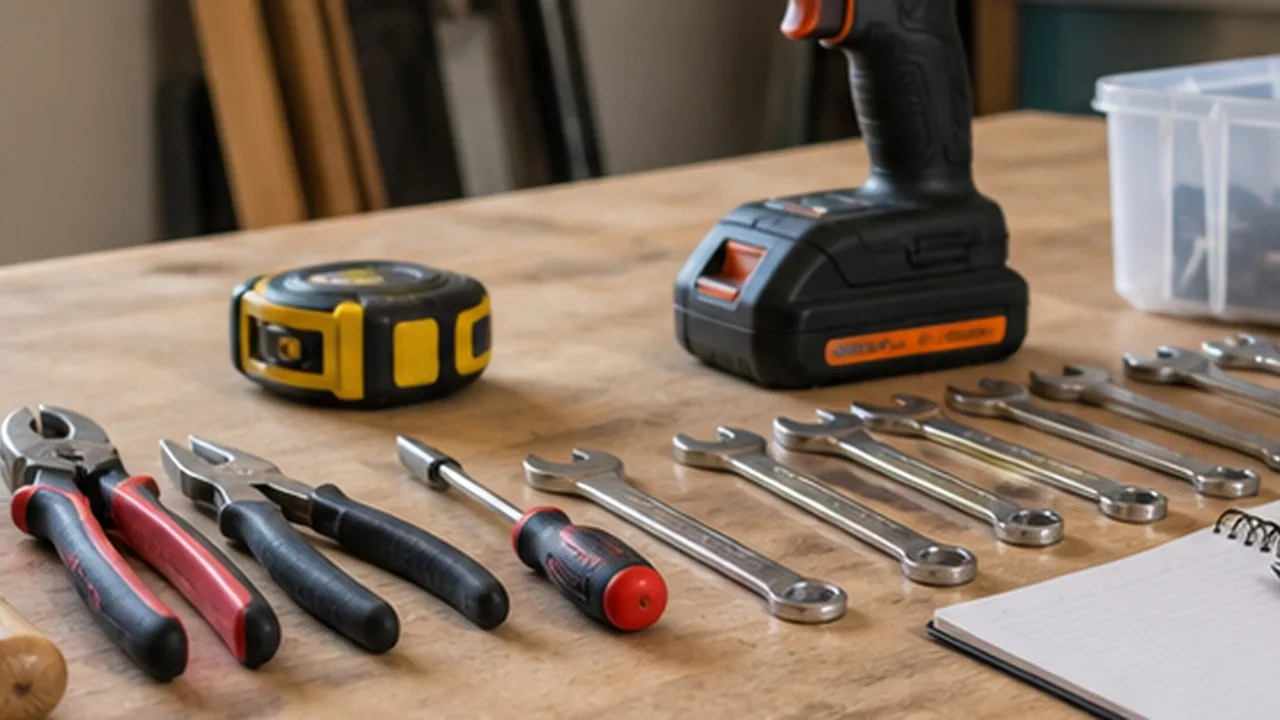
Start with your most valuable tools
If you have a garage, basement, shed, or workshop full of tools, trying to inventory everything at once can feel like too much. Start with the tools you would be frustrated to replace.
Good first candidates include:
- Cordless drills and impact drivers
- Circular saws, miter saws, table saws, and track saws
- Compressors, nailers, and air tools
- Lawn equipment and outdoor power tools
- Specialty tools you do not use every week
- Battery packs and chargers
- Test equipment, diagnostic tools, and measuring tools
Once the high-value tools are recorded, you can add the smaller items over time.
Record the basic details
For each tool, save the information that would help you identify, replace, service, or prove ownership of it later.
At minimum, record:
- Tool name
- Brand
- Model number
- Serial number, if available
- Purchase date
- Purchase price
- Store or seller
- Current location
- Condition
- Notes about included accessories
The model and serial number are especially useful. These details can help with warranty claims, replacement parts, insurance documentation, and confirming that two similar-looking tools are not the same item.
Take clear photos
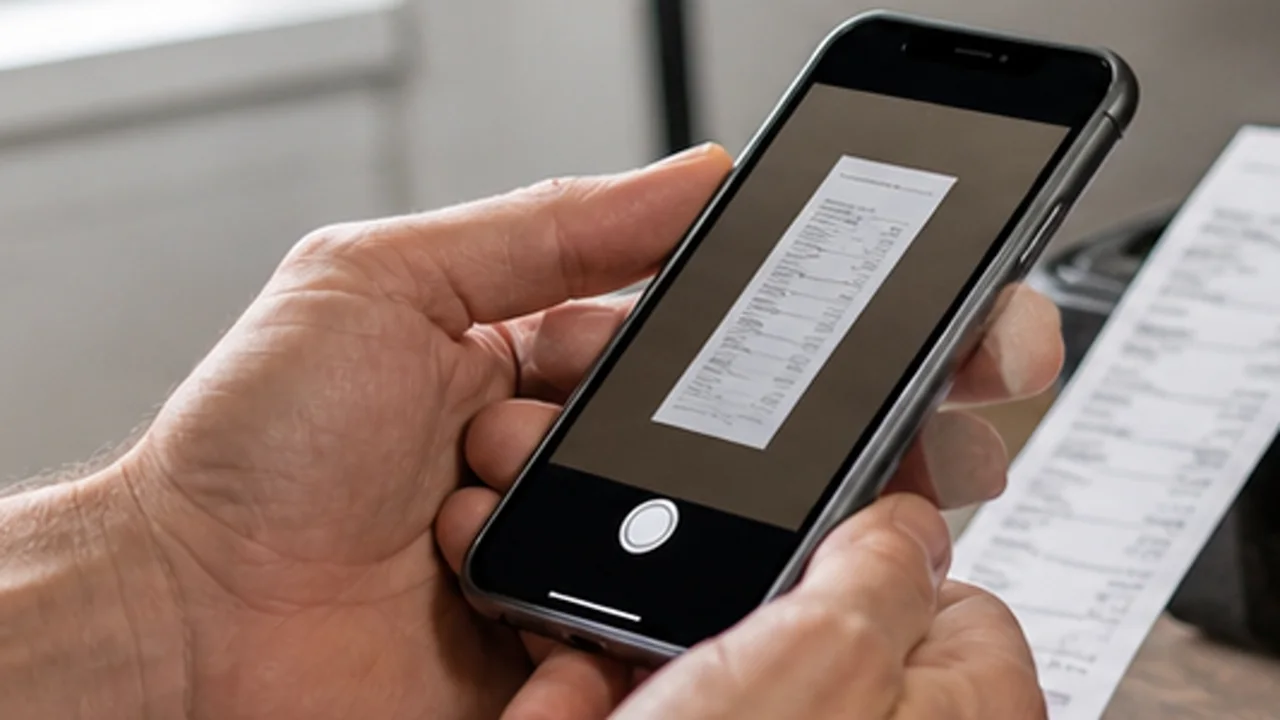
Photos make a tool inventory much more useful. Take at least one photo of the full tool and one close-up of the model and serial number label when available.
For larger tools, take photos from multiple angles. For tool kits, take a photo of the tool, charger, batteries, case, and included accessories together. This can help later if you need to remember what came with the kit or what is missing.
You do not need professional photos. Quick, clear phone photos are enough.
Save receipts, manuals, and warranty information
A tool inventory becomes much more valuable when it includes the documents connected to each tool.
Receipts help with returns, warranty claims, insurance records, and resale. Manuals are useful when you need maintenance instructions, replacement part numbers, blade sizes, oil types, torque specs, or safety information. Warranty details help you avoid guessing whether a tool is still covered.
A good habit is to save the receipt and manual as soon as you buy a tool. Waiting until later usually means the paper receipt gets faded, thrown away, or lost.
Track where tools are stored
A tool inventory should also answer a very basic question: where is the tool?
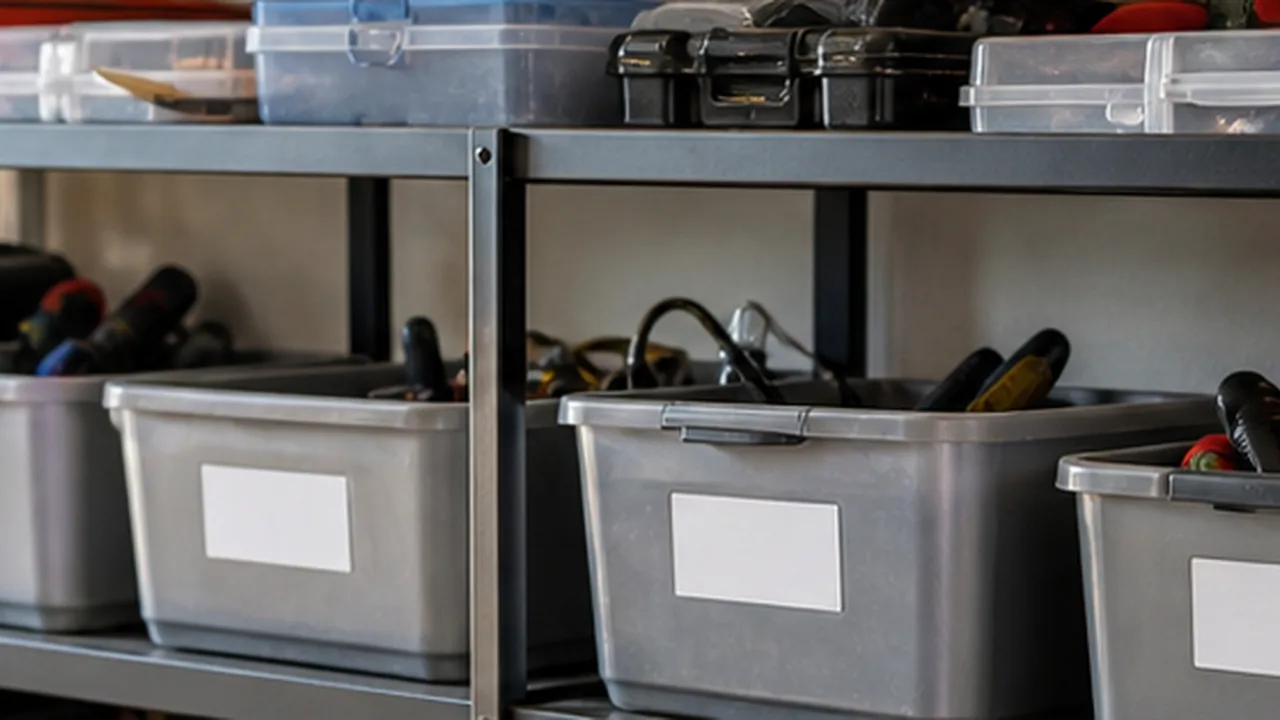
This matters more than people realize. A tool may be in the garage, basement, truck, shed, job box, storage cabinet, or with a neighbor. When tools move around, it is easy to waste time searching or accidentally buy duplicates.
Use simple location names that make sense to you, such as:
- Garage workbench
- Basement utility room
- Shed
- Tool chest drawer 2
- Truck box
- Loaned out
The location does not need to be perfect. It just needs to be useful.
Add maintenance reminders for tools that need care
Some tools only need to be recorded. Others need regular maintenance.
Lawn equipment, compressors, generators, pressure washers, saws, and battery-powered tools all benefit from occasional care. You may need to change oil, clean filters, inspect cords, sharpen blades, check batteries, or run equipment before a season starts.
Your inventory should make it easy to remember which tools need attention and when.
Keep track of tools you loan out
Loaned tools are one of the easiest things to forget. You may remember lending something out, but not who has it, when they borrowed it, or whether they also took batteries, chargers, blades, cases, or accessories.
For any tool you lend, write down:
- Who borrowed it
- When they borrowed it
- What was included
- Expected return date
- Replacement value
- Any notes about condition
This keeps the situation simple and avoids awkward guessing later.
A simpler way to keep this organized
You can create a tool inventory with a spreadsheet, notes app, photo album, or folder system. The important thing is having the information somewhere you can actually find it.
ToolMark was built specifically for this kind of tool record keeping. It keeps tool details, photos, receipts, manuals, warranty information, maintenance schedules, and loan records organized in one place on your iPhone, so your inventory is useful when you actually need it.
Start small and build from there
The biggest mistake is trying to make the inventory perfect from the beginning. Start with five or ten important tools. Add photos and receipts where you can. Record model numbers the next time you pull a tool out.
Over time, your tool inventory becomes a practical record of what you own, where it is, what it is worth, and what needs attention.
That is far better than trying to recreate everything from memory after something is lost, broken, stolen, or loaned out.