Tools can add up to more money than people realize.
A drill here, a saw there, a few batteries, a charger, a compressor, outdoor power equipment, specialty tools, and a workbench full of accessories can quickly become a meaningful part of your personal property.
If tools are stolen, damaged, or destroyed, trying to recreate the list from memory can be stressful. You may not remember exact models, purchase dates, prices, serial numbers, or what was stored where.
A tool inventory can make that process much easier.
This article is not insurance advice, and every policy is different. Always check with your insurance provider about what documentation they prefer. But for most homeowners, renters, hobbyists, and garage workshop owners, the following information is worth saving.
Tool name and description
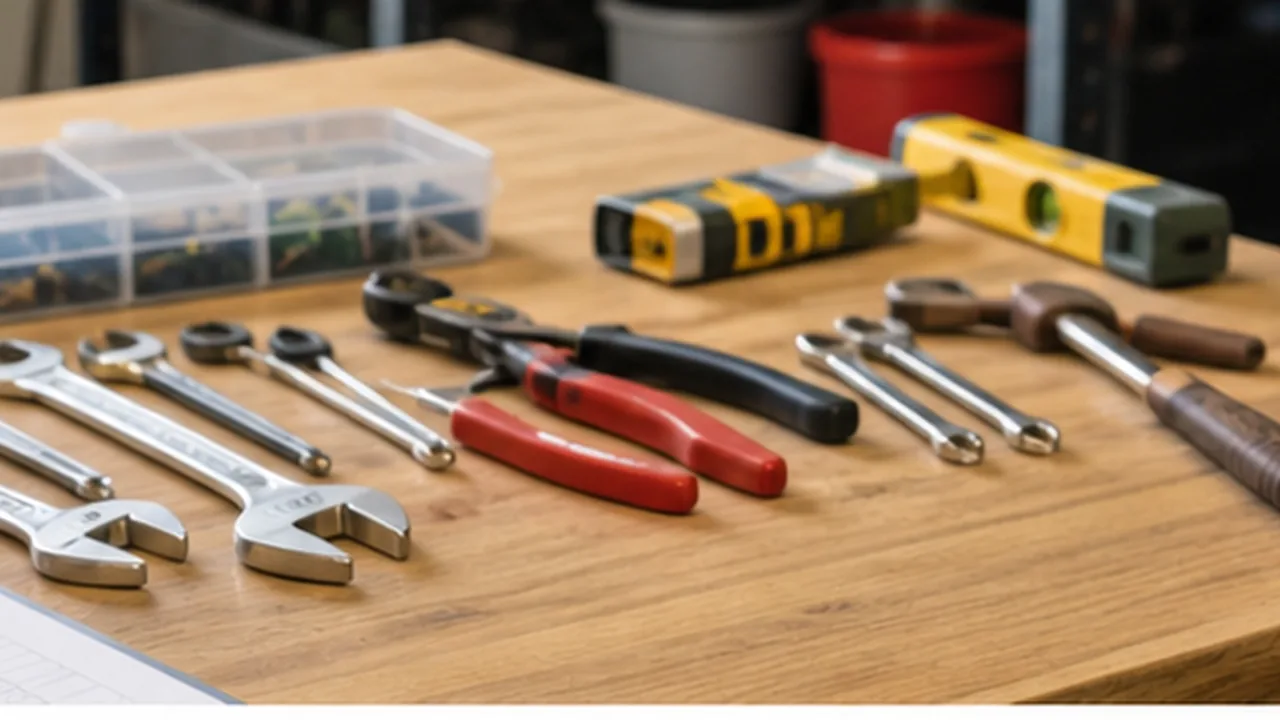
Start with a clear name and short description for each important tool.
For example:
- DeWalt 20V cordless drill and impact driver kit
- Milwaukee M18 circular saw
- Honda pressure washer
- Ridgid 6-gallon air compressor
- Stihl chainsaw
- Bosch laser level
Avoid vague names like “drill” or “saw” when the tool has meaningful value. A clear description makes the record easier to understand later.
Brand and model number
The brand and model number help identify the exact tool. This is especially important because two tools can look similar but have very different values.
For example, a basic homeowner-grade circular saw and a higher-end track-compatible saw are not the same item. A bare cordless tool is not the same as a kit with batteries, charger, and case.
Record the model number from the tool label, box, manual, or receipt. If the model number is hard to read, take a close-up photo.
Serial number
If the tool has a serial number, save it.
Serial numbers can be helpful for proof of ownership, warranty claims, police reports, and identifying a recovered tool. Not every tool has one, and some labels wear off over time, so it is better to record the serial number early.
Take a photo of the serial number label when possible.
Photos of the tool
Photos are one of the easiest and most useful records to keep.
Take clear photos of:
- The full tool
- The model and serial number label
- Any included case or kit
- Batteries and chargers
- Important accessories
- Larger tools in their storage location
For high-value tools, take photos from more than one angle. If a tool has unique marks, engravings, damage, or identification labels, photograph those too.
Receipts and proof of purchase
Receipts help show purchase date, purchase location, and original price.
Save paper receipts as photos or scans. Save email receipts as PDFs or screenshots. Make sure the store name, date, price, and item details are visible.
If you no longer have the receipt, you can still record an estimated value and purchase date, but actual receipts are much better.
Estimated replacement value
For each important tool, record either the purchase price or estimated replacement value.
The replacement value may be different from what you paid, especially if the tool was purchased on sale, discontinued, bought used, or part of a kit. Batteries, chargers, cases, and accessories can also add meaningful replacement cost.
You do not need to update values constantly, but having a reasonable estimate is better than guessing later.
Purchase date and location
Save the date you bought the tool and where you bought it.
This helps with receipts, warranty claims, and age estimates. If you do not remember the exact date, use an approximate month and year.
For used tools, record where you bought them and what you paid.
Storage location
A tool inventory should include where tools are normally stored.
For example:
- Garage cabinet
- Shed
- Basement workshop
- Truck box
- Tool chest
- Storage unit
This can help you understand what was affected if only one area was damaged or broken into. It also helps you avoid forgetting tools stored outside your main workspace.
Accessories and kits
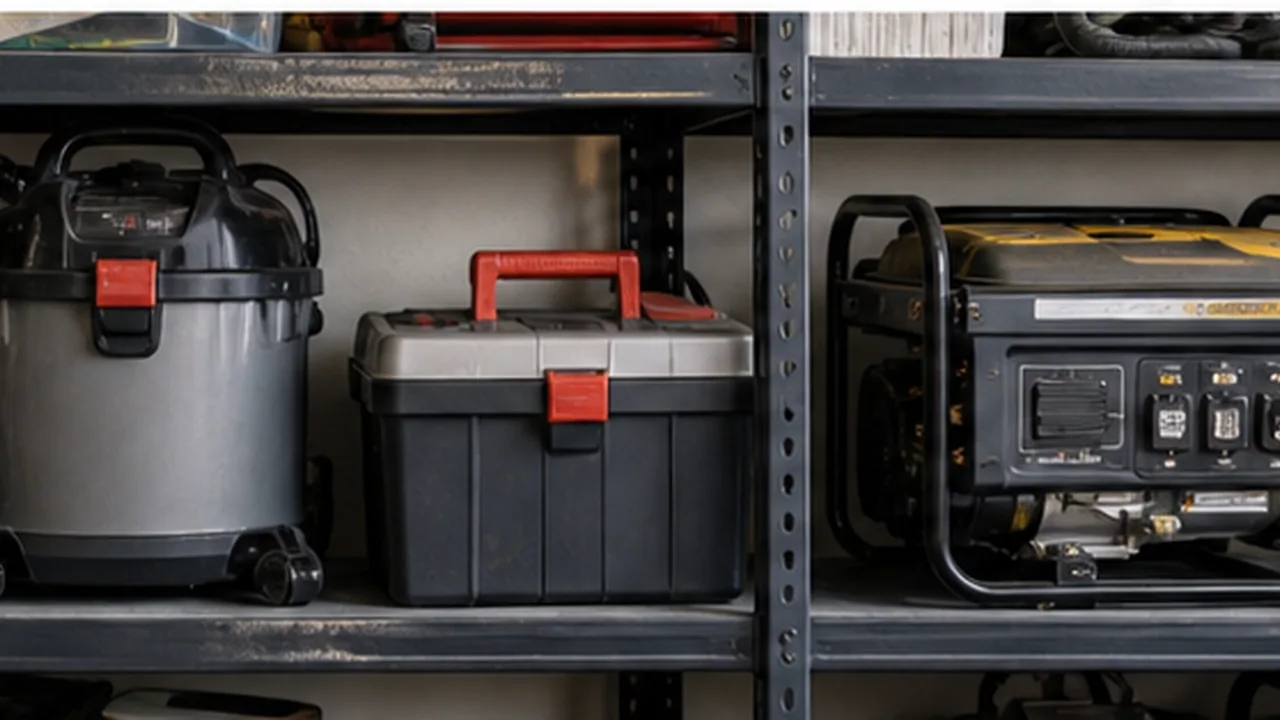
Many tools are worth more as a complete kit than as a single item.
Record included accessories such as:
- Batteries
- Chargers
- Cases
- Blades
- Bits
- Hoses
- Attachments
- Guides
- Stands
- Manuals
A cordless tool kit with multiple batteries and a charger may be worth much more than the tool alone.
Exportable records
If you ever need to share your tool information, it helps to have records that can be exported or printed.
A simple report with tool names, photos, serial numbers, values, receipts, and notes may be useful when communicating with an insurer, landlord, repair shop, or other party. Ask your insurance provider what format they prefer.
A simpler way to prepare before something happens
You can create insurance-ready tool records with a spreadsheet, folders, photos, and scanned receipts. The most important thing is to start before there is a loss.
ToolMark helps organize tool details, photos, serial numbers, receipts, manuals, warranty dates, locations, maintenance notes, loan records, and exportable reports in one place on your iPhone. That makes it easier to keep records current instead of trying to rebuild them from memory later.
Do a little at a time
You do not have to inventory your entire garage in one afternoon. Start with your most valuable tools and equipment. Add receipts and photos when you can. Record serial numbers the next time the tools are out.
A partial inventory is still useful. A complete inventory is even better.
The goal is simple: if something happens, you should not have to rely on memory alone.