Spring is when a lot of tools come back into regular use. Lawn equipment comes out of storage, power tools get used for repairs and weekend projects, and hand tools that sat all winter start showing up again around the garage, basement, shed, and yard.
Before the season gets busy, it is worth spending a little time checking your tools. A simple spring maintenance routine can help prevent dead batteries, rusty hand tools, dull blades, missing accessories, and surprise breakdowns when you are halfway through a project.
Start with a quick tool inventory
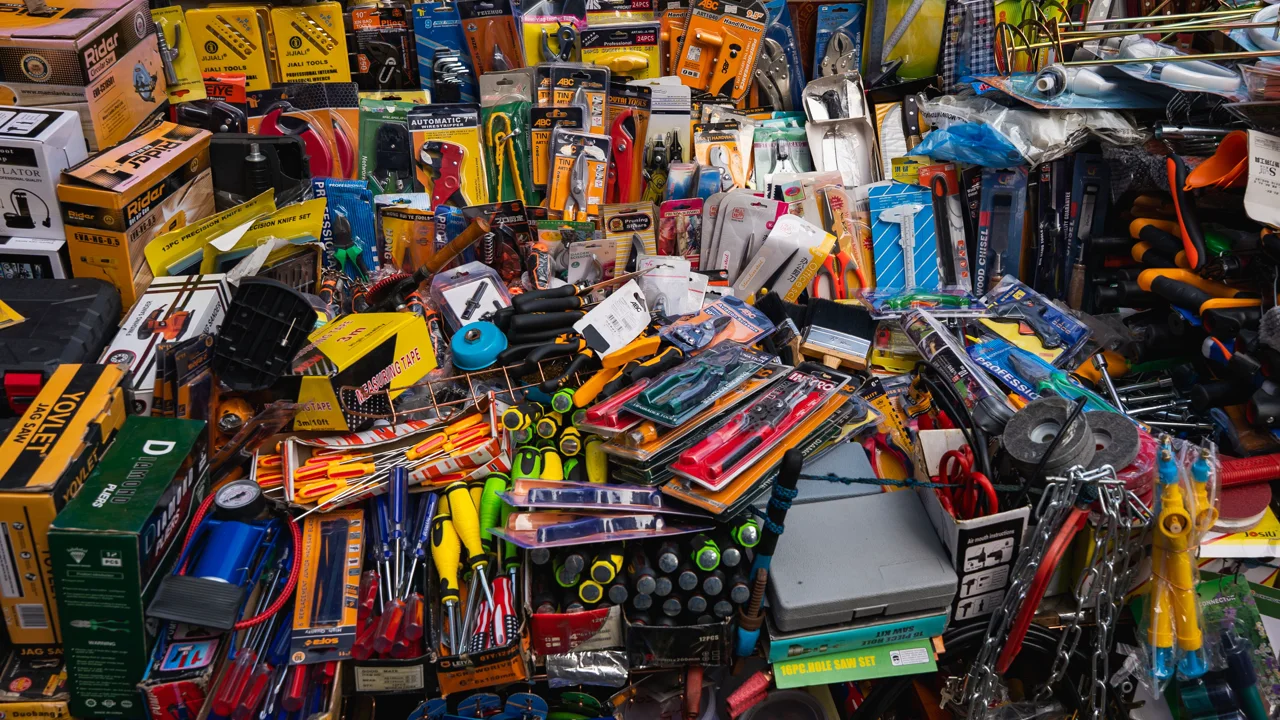
Before you clean or service anything, take a quick look at what you actually have. Group tools by type if possible:
- Lawn and garden tools
- Cordless power tools
- Corded power tools
- Hand tools
- Measuring and layout tools
- Safety gear
- Batteries and chargers
- Blades, bits, and accessories
This is not about perfectly reorganizing the garage in one day. The goal is to identify what needs attention before the season starts.
Look for obvious issues: missing chargers, cracked handles, dead batteries, bent blades, rust, worn cords, leaking fluids, or tools that were put away dirty at the end of last season.
Check lawn and outdoor equipment
Spring is a good time to inspect the tools that do the most seasonal work.
For lawn mowers, string trimmers, hedge trimmers, leaf blowers, chainsaws, pressure washers, and similar equipment, check:
- Fuel level and fuel condition
- Oil level, if applicable
- Air filters
- Spark plugs
- Blades, chains, or cutting lines
- Battery charge, if cordless
- Pull cords and switches
- Loose bolts, guards, or handles
For gas-powered equipment, old fuel can cause starting problems. If a tool has been sitting all winter, review the manual before starting it for the first time. Some equipment may need fresh fuel, an oil change, or filter replacement.
For battery-powered outdoor tools, charge the battery fully and test the tool before you need it.
Inspect cordless batteries and chargers
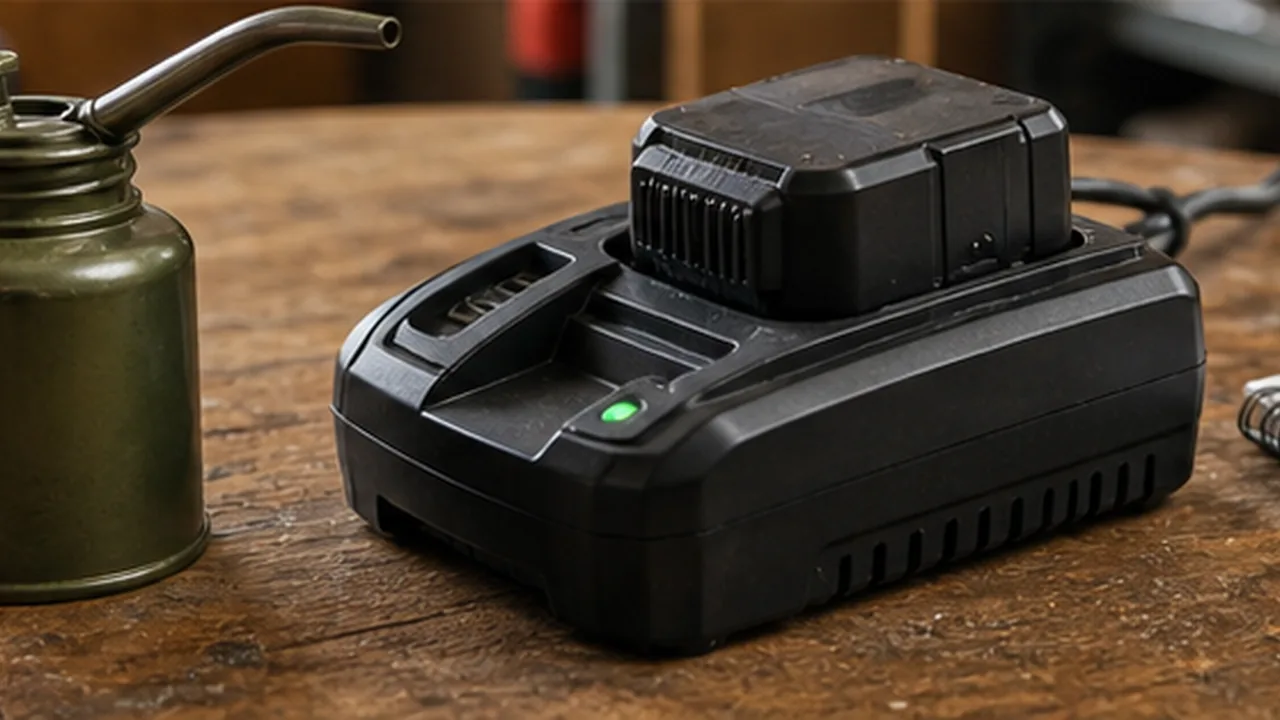
Cordless batteries are easy to forget until they stop holding a charge. Before spring projects start, check every battery and charger.
Look for:
- Batteries that will not charge
- Cracked cases
- Loose contacts
- Swelling or unusual heat
- Chargers with damaged cords
- Missing batteries from sets
If you own tools from multiple brands, this is also a good time to separate batteries by platform. Keeping each charger and battery group together makes it easier to find what you need and avoid buying duplicates.
Avoid storing batteries in extreme heat or cold when possible. A garage shelf may be fine during mild weather, but batteries usually last longer when they are protected from temperature swings.
Clean and protect hand tools
Hand tools do not usually need much maintenance, but they still benefit from a spring inspection.
Check hammers, pliers, wrenches, screwdrivers, pry bars, clamps, levels, and other common tools for rust, damage, or missing pieces. Wipe dirt and grime off handles. Remove light rust from metal surfaces. A small amount of oil on exposed metal can help reduce future rust.
For cutting tools like pruners, loppers, chisels, utility knives, and hand saws, make sure the edges are sharp and safe to use. Dull cutting tools are frustrating and can be more dangerous because they require more force.
Sharpen or replace blades and bits
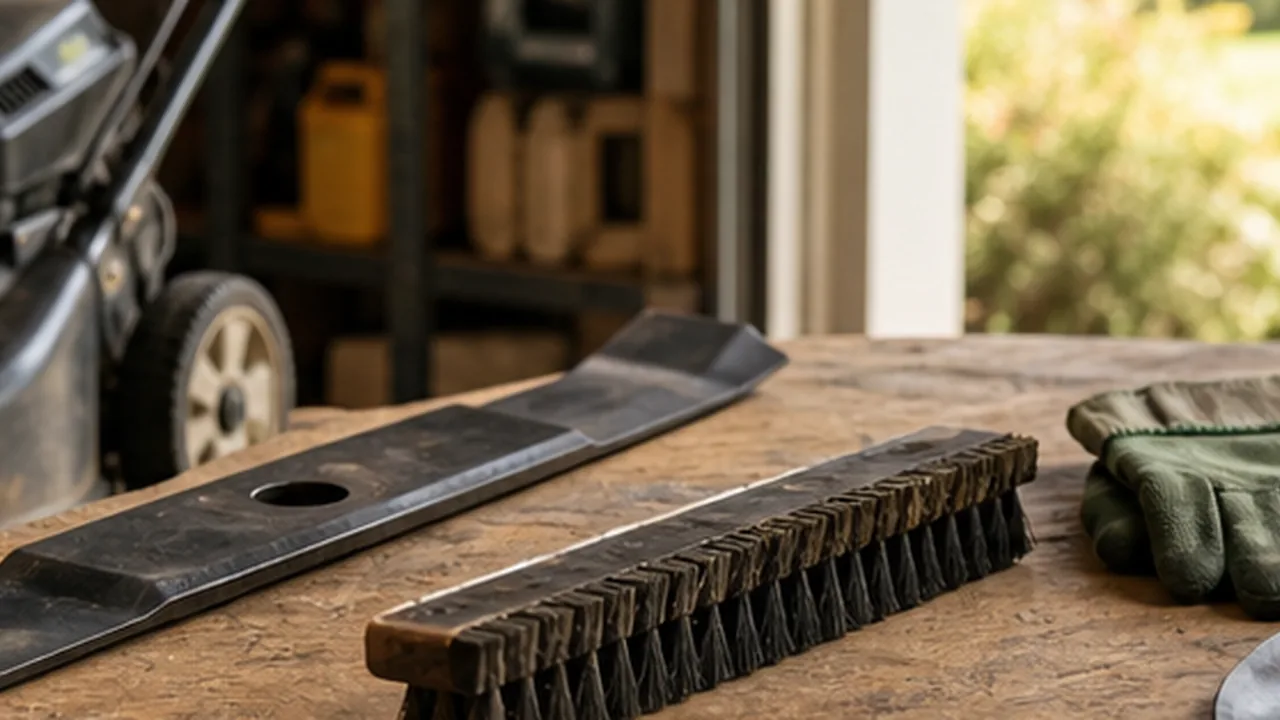
A dull blade makes almost every job worse. Spring is a good time to check:
- Mower blades
- Circular saw blades
- Reciprocating saw blades
- Jigsaw blades
- Drill bits
- Router bits
- Utility knife blades
- Chainsaw chains
- Pruning blades
Some blades can be sharpened. Others are inexpensive enough to replace. Either way, it is better to handle this before the first project of the season.
Also check that blade guards and safety features still work correctly. If a guard sticks, a switch feels loose, or a cord is damaged, do not ignore it.
Review safety gear
Safety equipment is part of the tool system, even though it is easy to overlook.
Check your:
- Safety glasses
- Hearing protection
- Work gloves
- Dust masks or respirators
- Knee pads
- First aid supplies
- Extension cords
- Work lights
Replace cracked safety glasses, worn gloves, dead work lights, and damaged extension cords. Make sure respirator cartridges or dust masks are still usable if you do sanding, painting, cutting, or dusty cleanup work.
Set reminders for recurring maintenance
Some tool maintenance happens once a year. Other tasks need to happen based on usage. Examples include sharpening mower blades, checking air filters, replacing oil, cleaning dust collectors, or inspecting batteries.
A calendar reminder can work, but it is even better when the reminder is connected to the actual tool. That way, you are not trying to remember which mower needs an oil change or which pressure washer manual had the maintenance schedule.
A simpler way to keep up with tool maintenance
If you only have a few tools, a paper checklist may be enough. But once you start tracking multiple batteries, manuals, receipts, maintenance dates, and accessories, it helps to keep those details in one place.
ToolMark is built for that kind of tool ownership. You can record tool details, attach documents, track maintenance, and keep the information available on your iPhone when you are in the garage, shed, basement, or workshop.