Loaning a tool is usually no big deal.
A neighbor needs a ladder. A friend borrows a pressure washer. A family member takes your impact driver for a weekend project. You hand it over, assume you will remember, and move on.
Then a few weeks pass. You need the tool, but it is not where it belongs. You remember loaning something out, but not exactly when, to whom, or what accessories went with it.
That is how tools disappear without anyone meaning for it to happen.
A simple loan-tracking habit can prevent most of the frustration.
Why loaned tools are so easy to forget
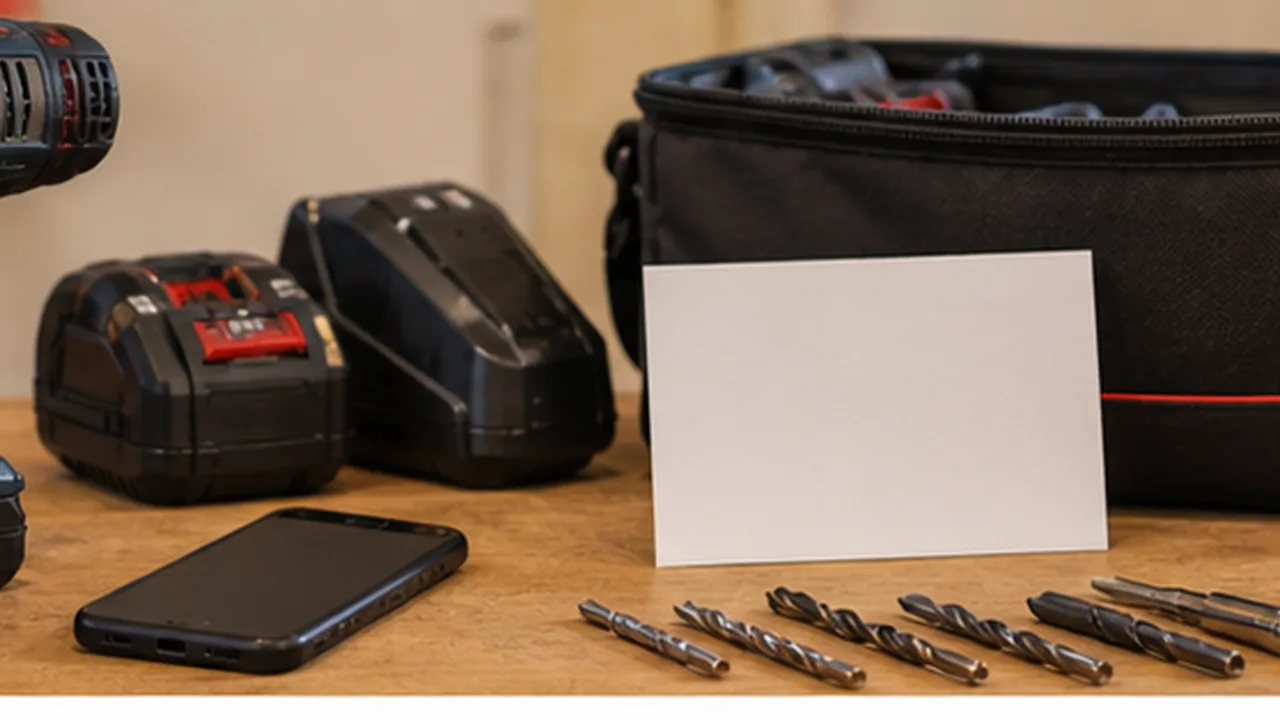
Tools are different from books or household items. Many tools come with extras that are just as important as the tool itself.
A cordless tool might leave with two batteries, a charger, a case, and a bit set. A saw might leave with a blade, guide, wrench, and dust bag. A pressure washer might leave with hoses, nozzles, fittings, and fuel instructions.
Even if the main tool comes back, the accessories may not.
The other problem is time. You may think, “I’ll remember this,” and you probably will for a few days. But after a couple of weeks, details get fuzzy.
Write down who borrowed the tool
The most important detail is also the easiest to skip: who has it?
Any time you loan out a tool, write down the person’s name. If it is someone outside your household, save a phone number or contact note too.
This does not need to feel formal. It is not about mistrust. It is about making sure you know where your property is when you need it.
Record the date it was loaned
The loan date gives you context. A tool that has been gone for three days is different from a tool that has been gone for three months.
Recording the date also makes follow-up easier. Instead of saying, “I think you’ve had my drill for a while,” you can say, “I think I loaned you my drill a few weeks ago. Are you done with it?”
Clear records make the conversation less awkward.
Agree on a return date
A return date is helpful even if it is flexible.
For example:
- “Bring it back this weekend.”
- “Return it after your fence project.”
- “I need it back by next Friday.”
- “No rush, but please bring it back before the end of the month.”
A return date prevents open-ended borrowing. It also gives you a reason to follow up without feeling pushy.
Track accessories and attachments
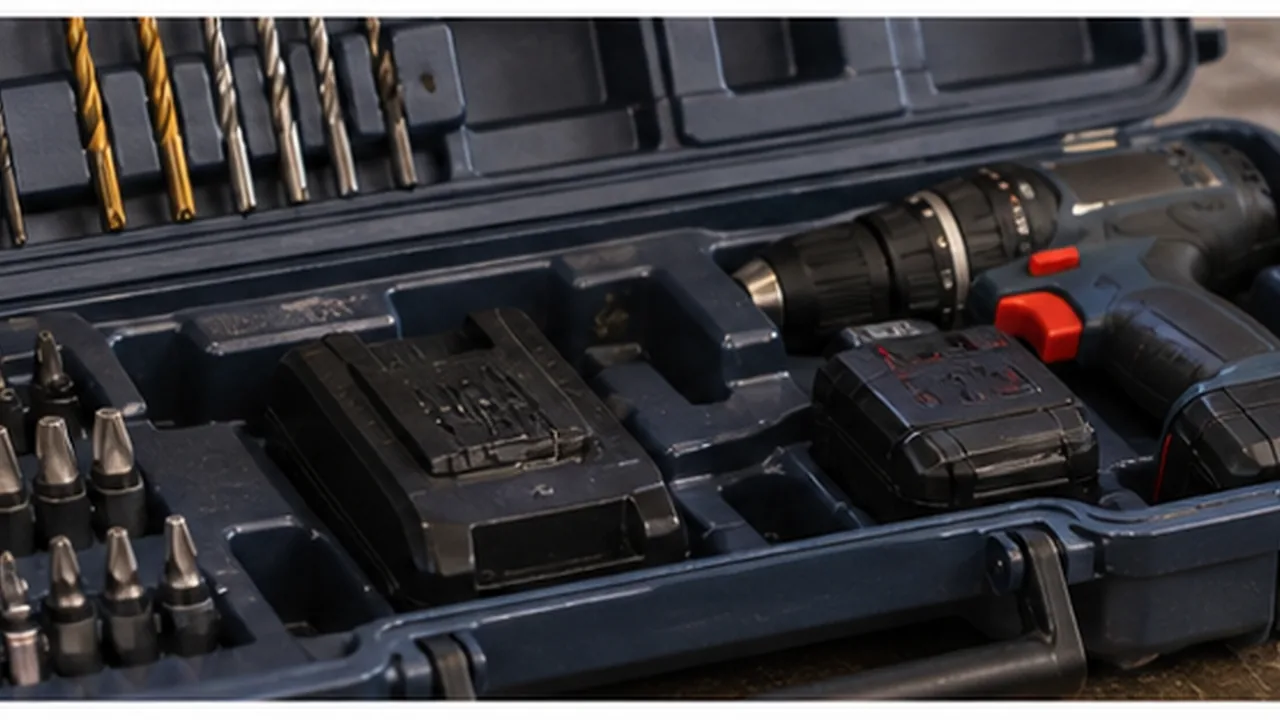
This is where many tool loans go wrong.
Before the tool leaves, note what goes with it:
- Batteries
- Chargers
- Cases
- Blades
- Bits
- Hoses
- Nozzles
- Extension cords
- Wrenches
- Guides
- Manuals
- Attachments
If a tool is expensive or has several parts, take a quick photo of everything together before it leaves. That photo becomes a simple checklist when the tool comes back.
Note the condition before and after
Most people are careful with borrowed tools, but accidents happen. A quick condition note protects both sides.
You might record:
- Working condition
- Existing damage
- Battery condition
- Missing parts
- Blade condition
- Whether fuel or oil was included
When the tool comes back, check it before putting it away. Make sure it works, the accessories are back, and anything consumable or damaged is handled fairly.
Be selective about what you loan
Some tools are easy to loan. Others are better kept at home.
Be cautious with tools that are:
- Expensive to replace
- Dangerous without experience
- Needed frequently
- Hard to transport
- Easy to damage
- Difficult to replace quickly
- Part of a larger system, like cordless batteries and chargers
It is okay to say no or offer to help with the project instead of handing over the tool.
A simpler way to track loaned tools
A note, text message, spreadsheet, or shared reminder can work if you only loan tools occasionally. The important thing is to record the loan before the tool leaves.
ToolMark includes loan tracking so you can record who borrowed a tool, when it left, when it is due back, and what went with it. Since the loan is tied to the tool’s existing record, you can also see photos, notes, replacement value, and accessories in the same place.
Make it normal, not awkward
The best way to track loaned tools is to make it a normal part of the handoff.
You can say something simple like:
“I’m going to make a quick note so I remember who has it.”
Most people understand. Many will appreciate that you are organized, especially if they borrow tools often.
A small habit at the start can prevent missing tools, forgotten accessories, and uncomfortable follow-up conversations later.