When a garage workshop feels messy, the first instinct is usually to buy more storage bins, shelves, hooks, pegboard, or cabinets. Sometimes that helps. But often, the real problem is not a lack of storage. It is not knowing what you own, where things belong, and what should no longer be taking up space.
Before buying another set of bins, take a step back and organize the workshop around how you actually use your tools.
Start by pulling out obvious duplicates
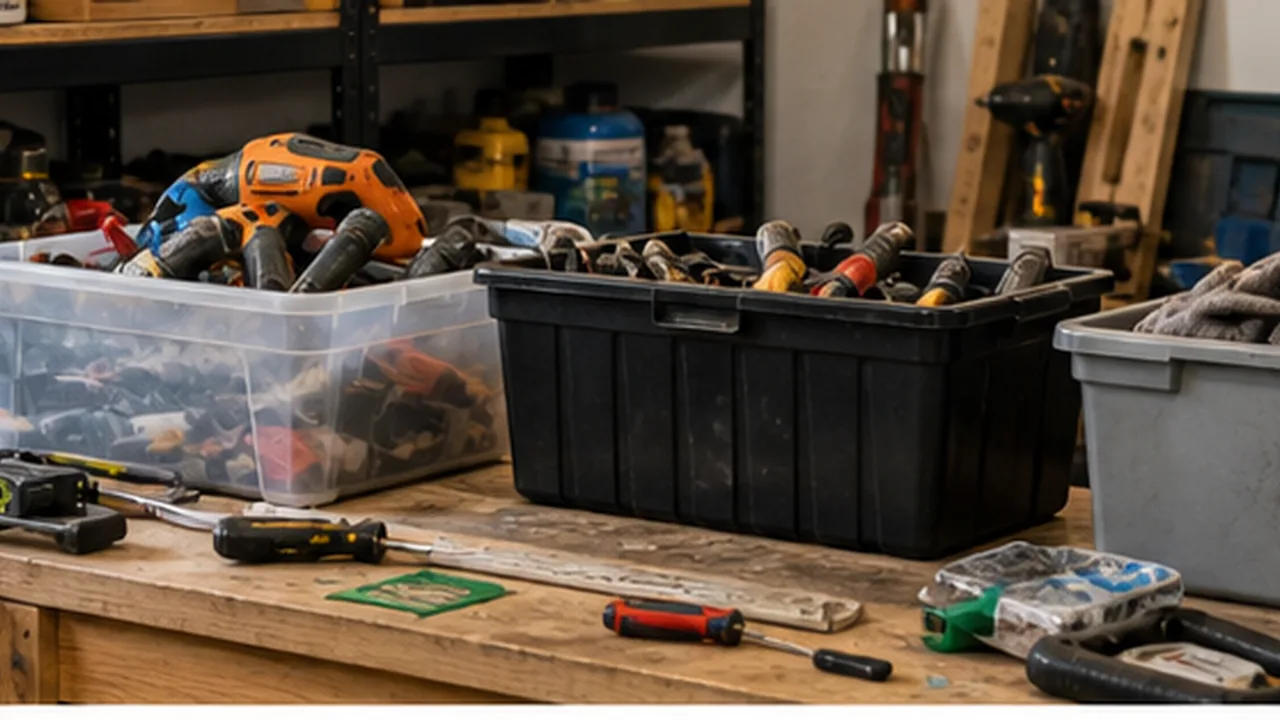
Most garages have duplicates hiding in plain sight: extra tape measures, screwdrivers, utility knives, drill bits, pliers, extension cords, chargers, and half-used boxes of fasteners.
Duplicates are not always bad. It is useful to have a tape measure in more than one place. But too many duplicates create clutter and make it harder to find the better version of the tool.
Make three quick groups:
- Keep in primary workspace
- Keep as backup or secondary location
- Donate, sell, or discard
This one step can clear more space than another storage bin.
Group tools by job, not just by type
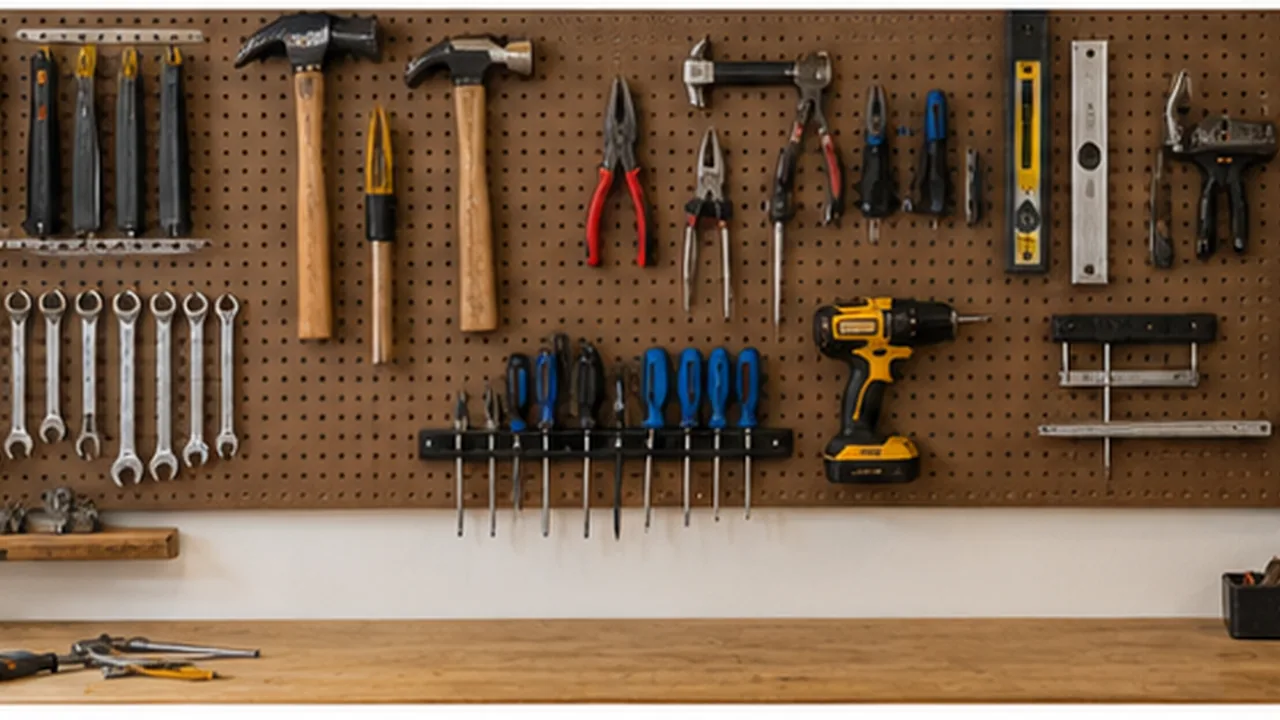
Traditional organization often groups tools by type: all screwdrivers in one drawer, all wrenches in another, all sanding supplies somewhere else. That works for some shops, but it is not always the most practical setup.
Think about the work you actually do. You may want zones for:
- General home repair
- Lawn and garden maintenance
- Woodworking
- Automotive work
- Painting and drywall
- Electrical basics
- Plumbing basics
- Battery charging
A project-based setup reduces walking around the garage looking for the next item. For example, your painting supplies may work better together in one bin than scattered across shelves by category.
Create a home for chargers and batteries
Cordless tool batteries are one of the easiest things to misplace. Chargers end up on random shelves, batteries stay in tool bags, and soon you are not sure what is charged or what belongs to which tool.
Create a dedicated charging area if you can. Keep it dry, easy to reach, and away from heavy dust or clutter. Group batteries by platform or brand. Keep chargers mounted or placed where cords are not tangled across the bench.
This does not need to be fancy. A shelf, small cabinet, or wall-mounted charging station can be enough.
Put frequently used tools within easy reach
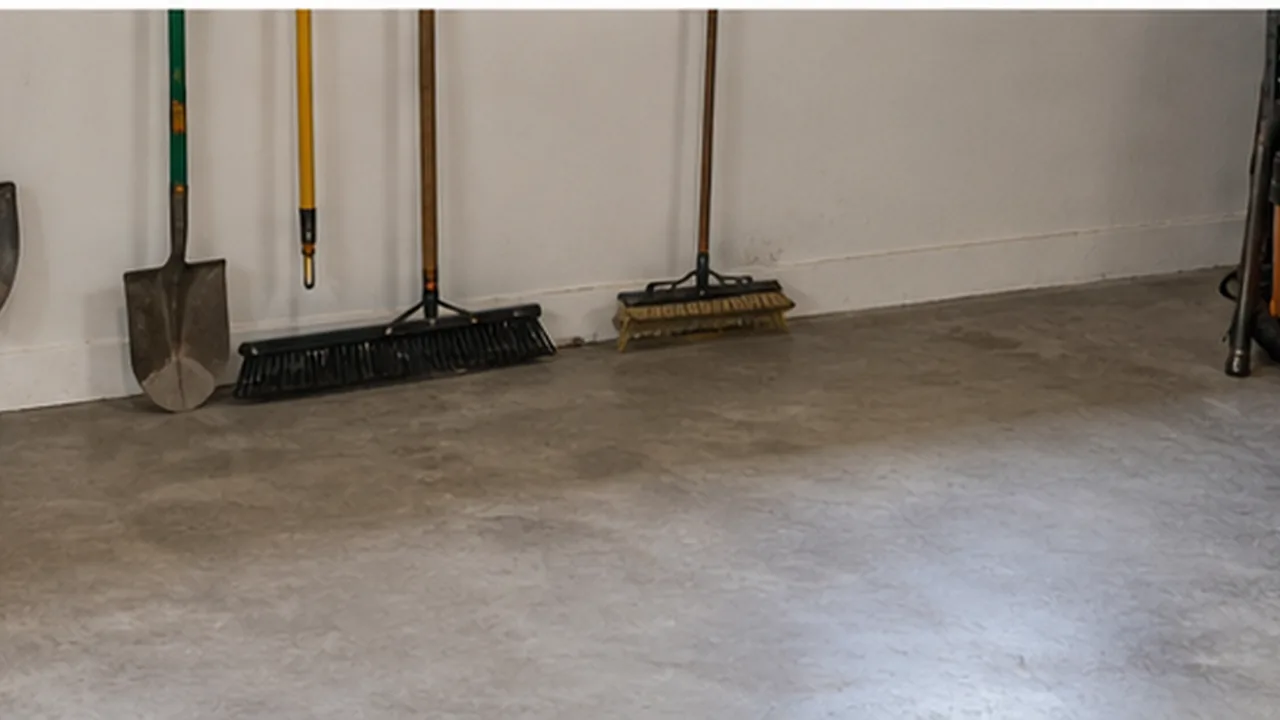
Not every tool deserves prime space. The tools you use weekly should be easier to reach than the tools you use twice a year.
A simple rule:
- Daily or weekly tools: eye level or easy drawer access
- Monthly tools: shelves, cabinets, or labeled bins
- Seasonal tools: higher shelves or less convenient storage
- Rare tools: deep storage, loan to someone else, sell, or donate
This helps prevent your best workbench space from being filled with specialty tools you rarely touch.
Label locations, not every single item
Labeling every tool can become more work than it is worth. Instead, label locations.
Examples:
- Drill bits and driver bits
- Sanding supplies
- Measuring and layout
- Electrical repair
- Plumbing repair
- Outdoor power tools
- Batteries and chargers
- Manuals and documents
Location labels make it easier to put tools away, especially if other people in the house use the garage too.
Separate tools from documents
Receipts, manuals, warranty paperwork, replacement part lists, and accessories often get shoved into drawers or tool cases. Later, when something breaks or you need a model number, the paperwork is gone.
Paper documents can also get damaged in a garage. Moisture, dust, oil, and pests are not friendly to manuals and receipts.
At minimum, keep important documents in a dry folder or scan them. For higher-value tools, it is worth saving the receipt, serial number, warranty date, and manual somewhere you can find later.
Avoid organizing things you should remove
It is easy to spend time organizing tools you no longer need. Before creating a perfect storage system, ask:
- Is this tool broken?
- Do I own a better version?
- Have I used it in the last few years?
- Is it missing parts?
- Would I buy it again today?
If the answer is no, it may not deserve space in your workshop.
A simpler way to know what you own
Garage organization gets easier when you have a record of your tools, where they are stored, and what documents or accessories belong with them. That does not replace physical organization, but it makes the system easier to maintain.
ToolMark can help with this by keeping tool details, photos, locations, receipts, manuals, maintenance records, and loan information together on your iPhone. The physical garage still needs hooks, shelves, and drawers, but the important details do not have to live in your memory.