Cordless tool batteries are easy to take for granted until one stops charging, dies halfway through a project, or costs more to replace than expected. For many homeowners and DIYers, the batteries are one of the most expensive parts of a power tool collection.
The good news is that basic battery care is simple. You do not need a complicated routine. A few good habits can help your cordless tool batteries last longer and work better when you need them.
Keep batteries out of extreme temperatures
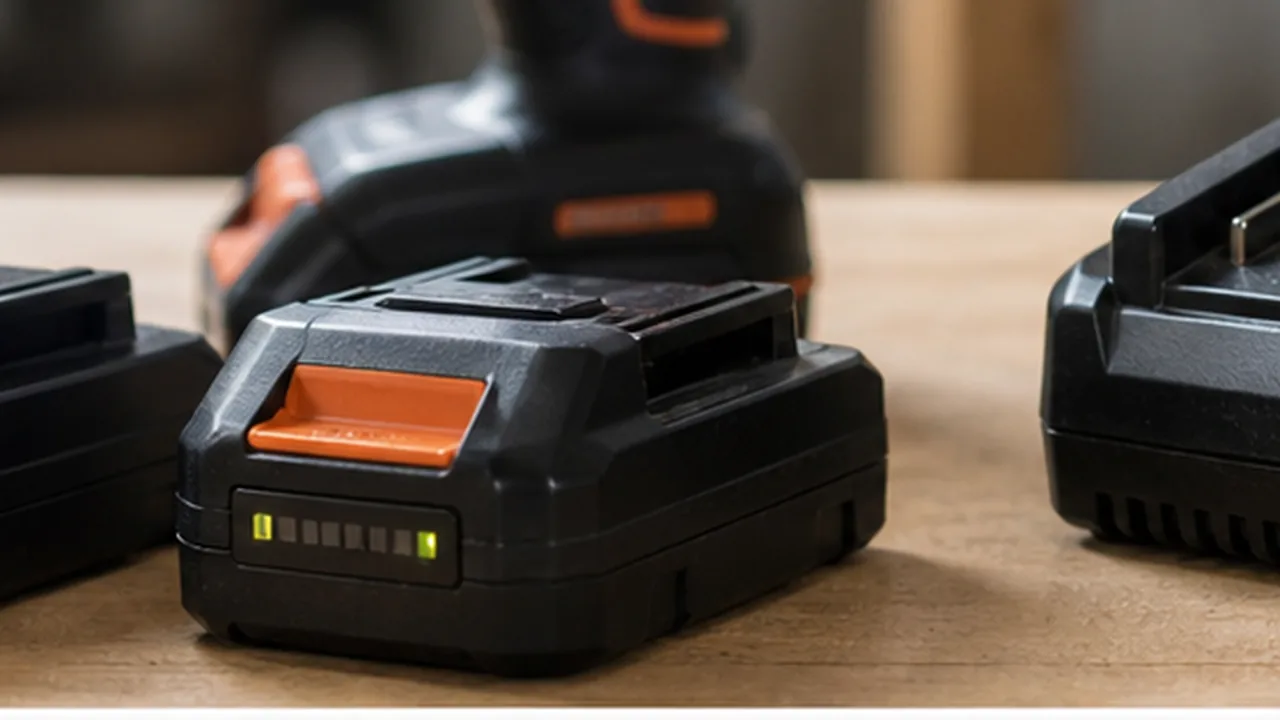
Temperature is one of the biggest factors in battery life. Garages, sheds, trucks, and basements can all expose batteries to conditions that are harder on them than normal indoor storage.
Try to avoid leaving batteries in:
- Hot vehicles
- Direct sunlight
- Freezing sheds
- Damp storage areas
- Uninsulated garages during extreme weather
Short-term exposure is not always a disaster, but long-term storage in extreme heat or cold can reduce performance. If possible, store batteries in a dry, moderate-temperature area of the house, garage, or workshop.
Do not store batteries on dead empty
Leaving a battery completely drained for a long time is not ideal. If you finish a project and a battery is fully dead, charge it before putting it away.
You do not have to obsess over exact percentages. The simple rule is this: avoid storing batteries completely empty for long periods.
If you have seasonal tools that sit unused for months, check the batteries occasionally. Lawn tools, snow equipment, outdoor work lights, and specialty tools are easy to forget until the next season starts.
Let hot batteries cool before charging
If a battery gets hot during heavy use, let it cool before placing it on the charger. This is especially common when using tools that draw a lot of power, such as circular saws, grinders, leaf blowers, chainsaws, and impact wrenches.
Most modern chargers and batteries include protection circuits, but letting a hot battery cool is still a good habit. It also gives you a chance to inspect the battery for cracks, damaged contacts, or unusual swelling.
Use the right charger
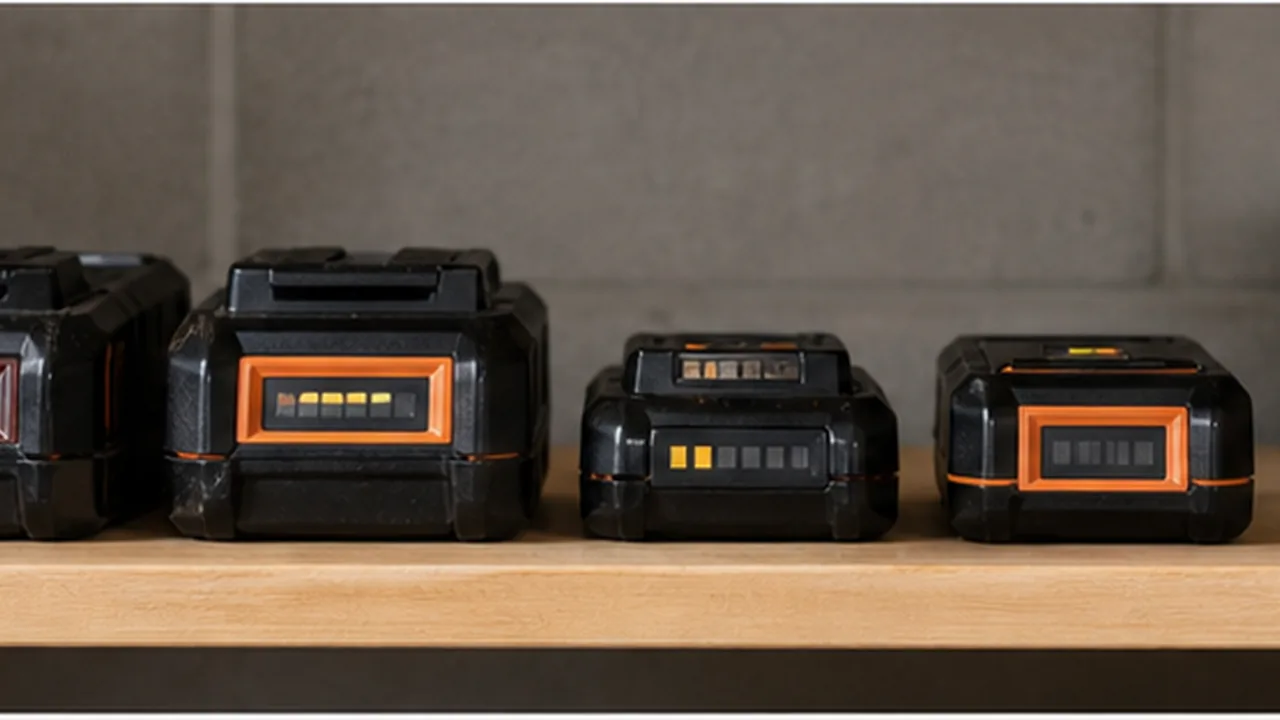
It can be tempting to mix chargers, especially if you own several tools from the same brand. In most cases, you should use a charger that is designed for that battery platform and voltage.
Watch for mismatches if you own:
- Multiple battery voltages
- Older and newer batteries from the same brand
- Off-brand replacement batteries
- Fast chargers and standard chargers
- Tools from multiple brands
If you are unsure, check the manual or manufacturer guidance. A charger may physically fit but still not be the best match for that specific battery.
Keep battery contacts clean
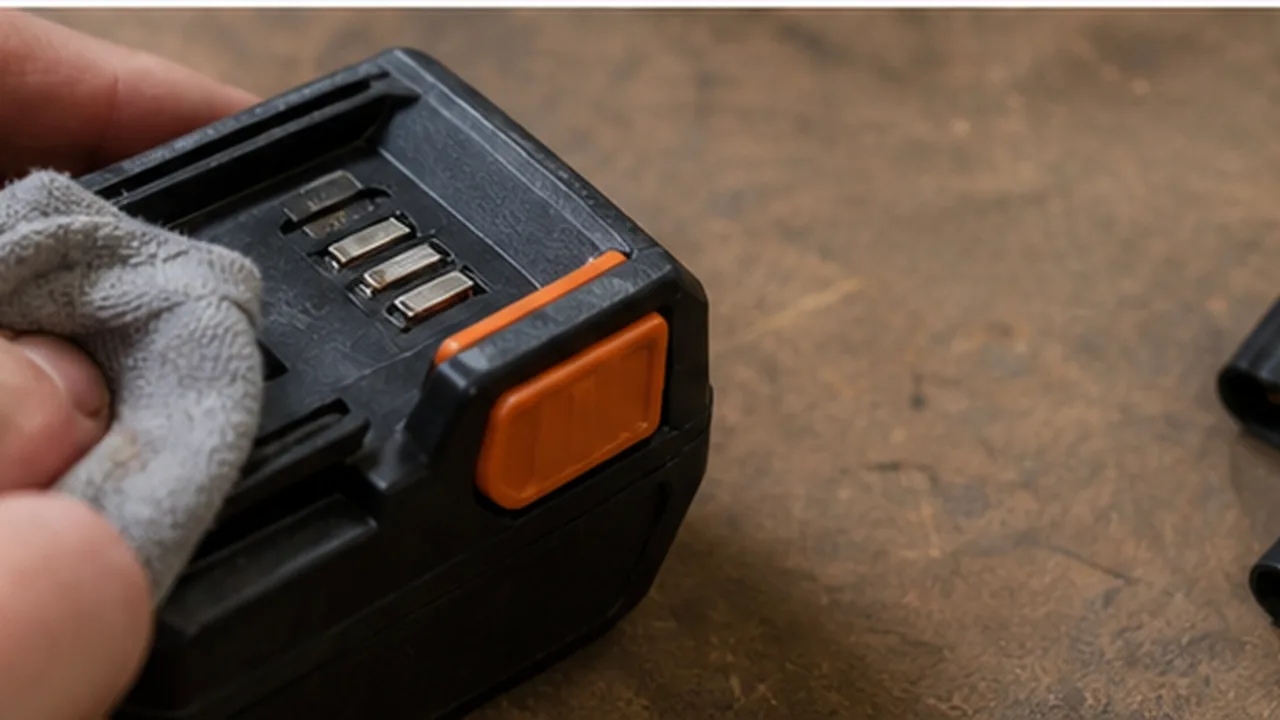
Dust, sawdust, grass clippings, and grime can build up around battery contacts. Dirty contacts may cause charging problems or intermittent tool performance.
When needed, remove the battery and wipe the outside of the pack with a dry cloth. Avoid soaking the battery or spraying cleaner directly into the contacts. If the battery is very dirty, follow the manufacturer’s cleaning instructions.
Also check the tool and charger contacts. A clean battery does not help much if the charger is packed with dust.
Rotate batteries if you own several
If you own multiple batteries for the same platform, try to rotate them instead of always using the same one. This helps avoid a situation where one battery gets constant use while the others sit unused for months.
A simple rotation habit works well:
- Use the oldest battery first
- Keep charged batteries together
- Separate batteries that may be failing
- Mark problem batteries so you do not rely on them for important projects
You do not need a complex system. The point is to avoid forgetting about batteries until they have been sitting for a year.
Watch for signs a battery should be replaced
A battery may be nearing the end of its useful life if it:
- Drains much faster than it used to
- Will not charge fully
- Gets unusually hot
- Has a cracked case
- Shows swelling or physical damage
- Works intermittently in multiple tools
Do not ignore damaged batteries. If a battery looks unsafe, stop using it and follow the manufacturer’s disposal or recycling guidance.
Store batteries where you can find them
Battery care is partly about storage and partly about organization. If your batteries are spread across drawers, shelves, tool bags, and vehicles, it is harder to know what is charged, what belongs to which tool, and what may be missing.
Group batteries by platform and keep chargers nearby. If you have a dedicated charging area, make sure it is dry, ventilated, and not buried under rags, sawdust, or flammable materials.